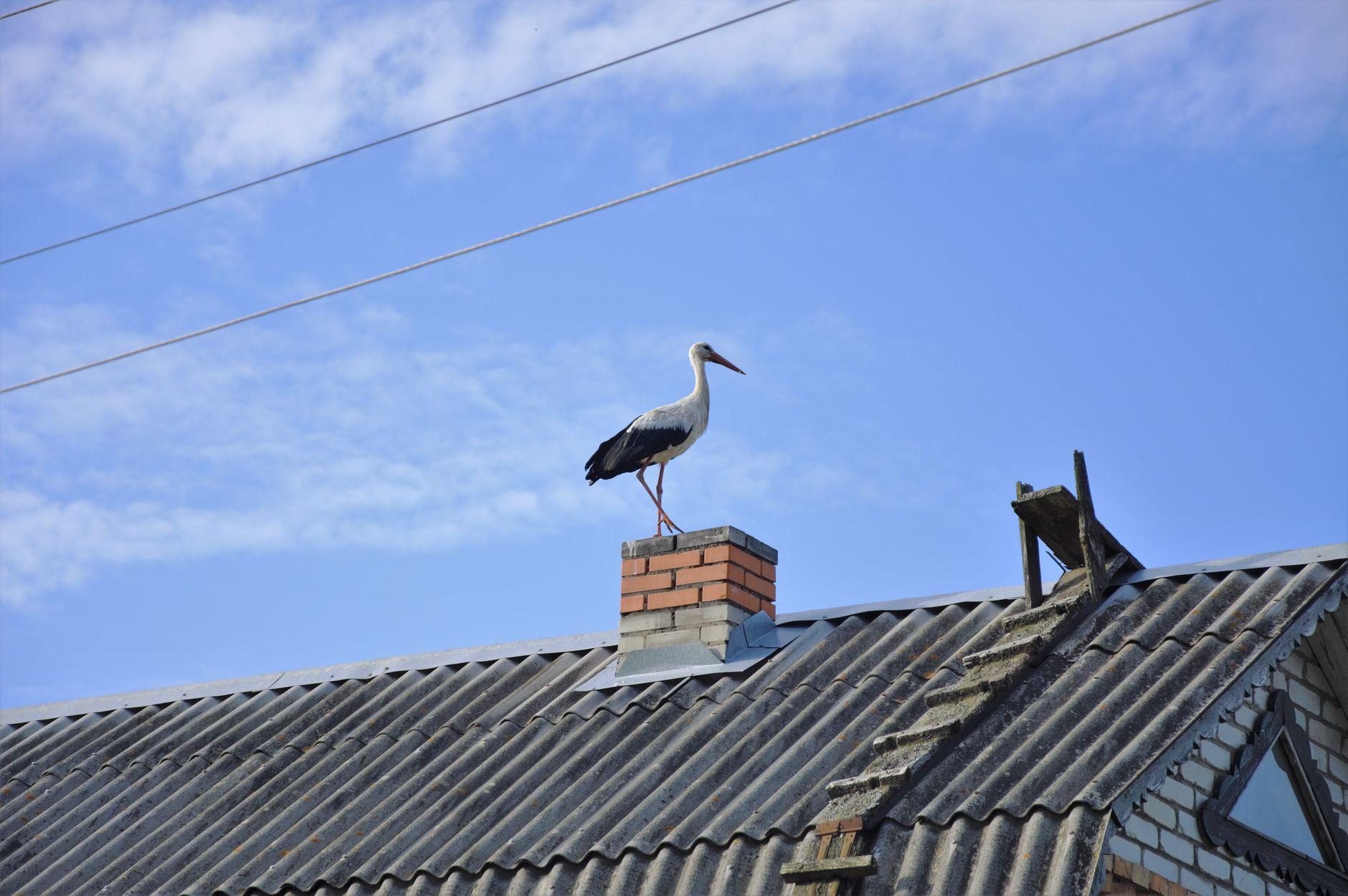
A house nobody watches
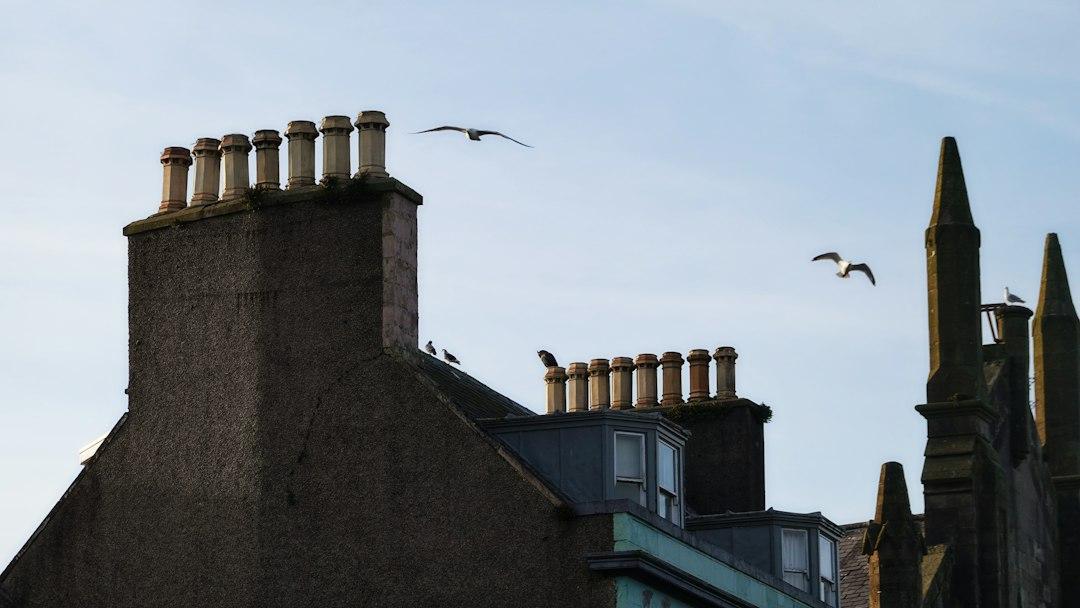
Birds look for a quiet, dark, sheltered spot in spring. An empty house with an open flue is exactly that. By the time the owner comes back to La Puente in the fall, the smoke shelf can hold a season of sticks, grass and droppings, and the first fire lights all of it. A cap does most of the work of stopping that, and on a second home or a rental between tenants it works harder than on a house where someone lights a fire every week.
A cap, installed, is quoted on site. Caps differ because chimneys differ, so this post walks through what sets the price.
Three jobs over an unwatched flue
- Keep animals out. Birds, squirrels and raccoons all use open flues. The screen around the sides is what stops them, and its openings have to be small enough for the animals you actually have.
- Keep water off the damper. Rain that drops into an open flue sits on the damper plate and the smoke shelf for months in an empty house. Rust and a musty smell follow.
- Keep sparks in. Embers carried on the wind from a brush fire are a real worry in the foothills here, and sparks from your own fireplace landing on a dry roof are the other half of it.
What moves the price
The simplest job is a stock stainless cap that fits over a single flue tile and clamps on. The biggest is something built for the chimney. These questions set your price:
| Question | Pushes the price up when |
|---|---|
| How many flues? | Several come out of one chimney and need a single cover |
| Standard tile size? | The tiles are an odd size and the cap is made to measure |
| Which metal? | You pick copper over stainless |
| Is the crown sound? | It needs work first, since a cap on a broken crown is the wrong fix |
| Masonry or factory-built? | The maker's matching top has to be sourced |
The crown under the cap
A cap clamps to the flue tile, but the crown is the concrete slab it sits on. If the crown has split or crumbled, water gets into the brick whether the cap is on or not. On a house that sat through a wet winter with nobody home, we often find both problems at once: the cap gone and the crown open. We price them apart so you can see each cost. A cap is quoted after we measure. A crown is priced on paper, because some need only a sealer and others need breaking out and pouring again. You see the crown figure in writing before you decide. More on that work is on our crown repair page.
Hiring for a cap on a second home
If you live somewhere else most of the year, you will not be watching from the yard when the cap goes on. That changes what you should expect from whoever fits it:
- Photos of the top before and after, so you know what was there and what replaced it.
- A note on the screen size and why it suits the wildlife around the house.
- A look down the flue from the top before the cap closes it, so nothing is shut inside.
- A written word on the crown, flashing and brick while they are up there, not a remark over the phone.
We do all four on every cap installation, and the report goes to you and anyone else you name, such as a property manager.
When a cap is not the whole answer
Some owners ask for a cap after they find a nest. If the birds already moved in, a cap alone traps what is left inside. In that case the visit starts with clearing the flue, which falls under a sweep from $420, and the cap goes on after. If an animal is still in the flue, we wait until it has gone. We never seal anything living into a chimney.
If you are not sure whether anything is up there, a Level 1 inspection at $55 answers it before you spend on a cap. See our post on second-home check costs for how that visit and the camera visit compare.
Getting a figure for yours
The number for your cap depends on the flue count, the tile size and the metal. Use the form on this page to say how many flues come out of the top, whether the chimney is brick or a metal pipe in a boxed chase, and whether a cap was ever there. We use that to plan the visit, then measure and quote.
Gas fireplaces need one too
A gas fireplace venting up an old masonry flue still needs a cap. Birds do not care what the fireplace burns, and a nest in a gas flue can push fumes back into the room the next time the burner comes on. If your weekend house runs gas logs or an insert, the cap matters just as much as on a wood fireplace. Our post on gas fireplaces after months off covers the rest of that list.
Leaving for the season
When you lock up for months, the cap is the part of the chimney doing all the work while you are gone. A screen that has rusted through, a cap knocked crooked by wind or a crown cracked under it will not fix themselves before you return. A short look at the top before you leave, or before the rains, catches those while they are cheap.
A cap keeps nests out and keeps rain off the damper while the house sits empty. For a La Puente house, or one in West Covina, Whittier or Rosemead, that stands empty part of the year, it is the first thing to put right. Go to our contact page when you want a cap measured, and we will plan the visit around your next trip back.
Want the Checklist Done Before You Arrive?
Pollard Chimney Experts opens the house with your key holder, works from the cap down to the gas valve and emails photos and notes to each person you name. We drive from La Puente to West Covina, Whittier, Rosemead and the towns around them.