The stain that waited for you
A leak in a lived-in house gets noticed after the first storm. A leak in a house that sat empty from January to October gets noticed when the owner walks in and sees the brown patch on the ceiling, the curled paint over the mantel, or the rusty water mark on the hearth. By then it has had months to soak into plaster, framing and insulation.
That delay is the main reason leaks in second homes and vacant rentals cost more to put right than the same leak caught early. This post covers what a chimney leak repair costs on our list, where the water usually gets in, and what decides your figure.
The price on our list
Finding and fixing a chimney leak runs $560 to $3,350 with us. The spread is wide because a leak is not one job. The bottom of the range is a single, clear source fixed in one visit. The top of the range is for a chimney taking water in at several points, each needing its own fix.
Two related items have their own lines:
| Fix | Price |
|---|---|
| Diverter plus roof-to-brick metal redone | $675 to $1,650 |
| Peaked diverter behind a broad stack | $450 to $1,010 |
A rain and animal cap, fitted, is quoted after we measure.
Where water gets in on an empty house
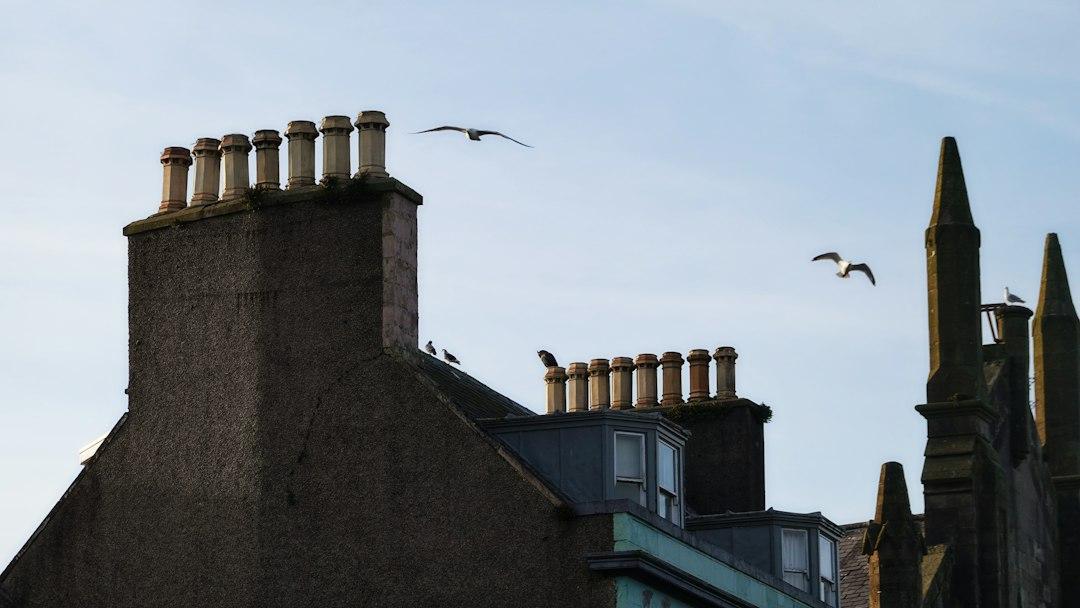
On the chimneys we see around La Puente, water usually finds one of these routes:
- An open flue with no cap. Rain drops in, lands on the damper and smoke shelf, and runs out at the firebox. In an empty house this can go on all winter.
- The crown. Cracks in the concrete top let water into the brick below.
- The flashing, the metal sealing the joint between chimney and roof. Sealant dries out in the summer sun, and the next rain finds the gap.
- The brick and mortar. Open joints soak up water like a sponge.
- The top pan of a factory-built chimney. On chimneys boxed in siding or stucco, a rusted top lets water into the box.
The months a house sits empty are also the months nobody clears leaves from the roof. Litter collects behind the stack, stays wet and keeps the flashing damp for weeks after each storm, and a small gap becomes a steady leak.
Why we trace before we fix
A stain on the ceiling is where the water showed up, not always where it came in. Water can travel along a rafter or the side of the flue before it drips. So the visit starts with tracing: the chimney top, the flashing, the attic and inside the firebox. Where the source is not obvious, we wet the likely spots in turn and watch the attic to see which one shows.
Painting over the stain before the source is fixed wastes the paint.
What decides your figure
- How many places water is getting in.
- Whether the crown needs a seal or a full replacement. Crowns have no list price, so you see that figure separately in writing.
- Whether the flashing can be resealed or needs replacing, and whether a diverter behind the chimney is called for.
- Roof pitch, height and the type of roofing, which decide how the work is done safely.
- Whether the brick needs repointing, which our masonry repair page covers.
Use the form on this page to say where in the house the water marks are, whether you know if the cap is still on, and how long the house was closed. We reply with our first guess at the source and book a visit to trace it.
Gas fireplaces leak too
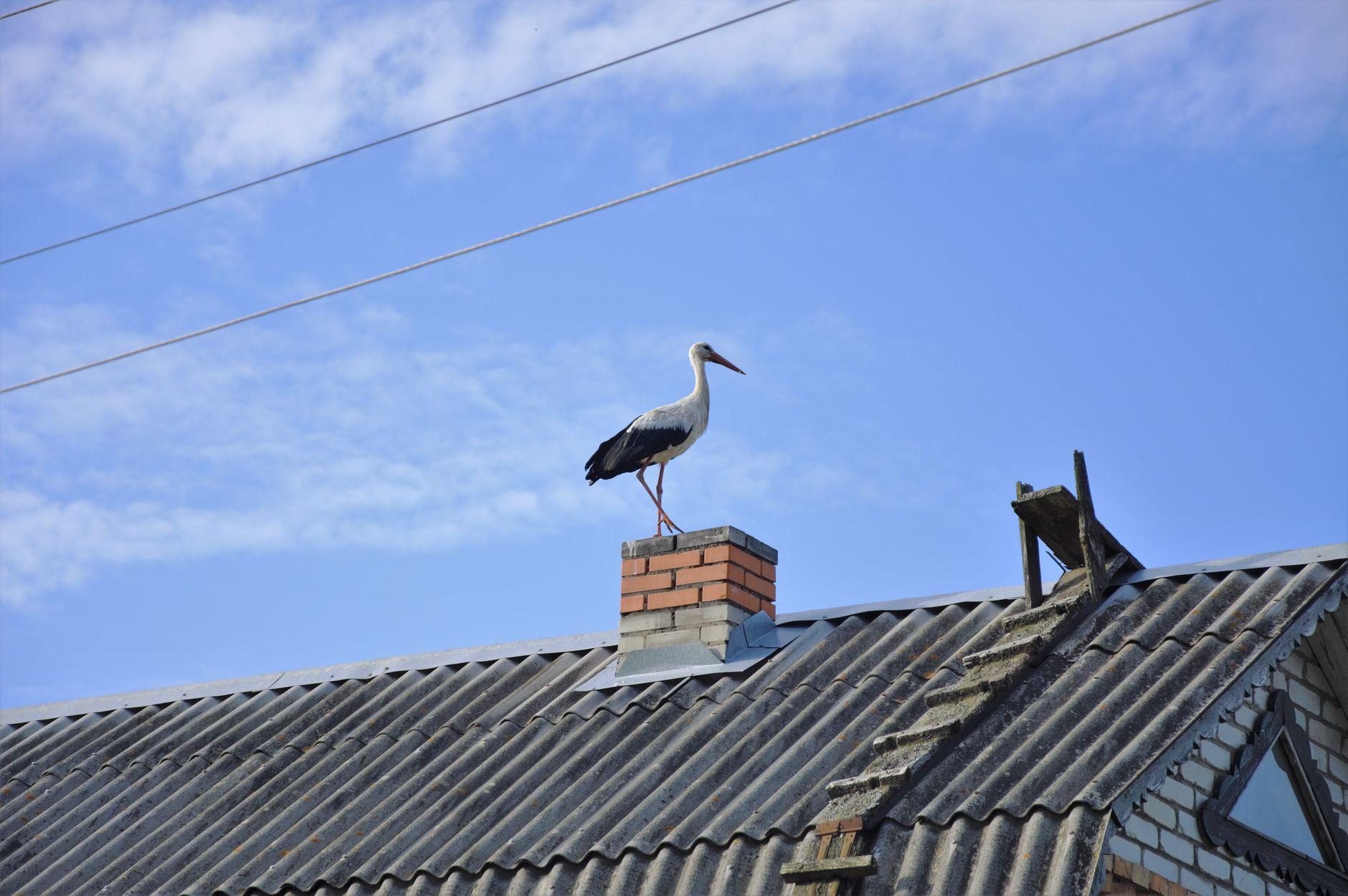
A gas unit does not make a chimney immune. A gas log set in an old masonry fireplace uses the same crown, flashing and brick as a wood fire, and a direct vent unit has its own outside cap and wall seal. On weekend houses we often find gas flues with no cap at all, because the owner assumed gas needed none. The water and the birds disagree. The tracing and the price range are the same either way.
What happens to the inside
Interior damage is a separate matter. We fix the chimney so it stops leaking; we do not repair drywall, plaster or paint. The report notes where the water reached so you or your insurer can plan that work. If the leak ran for a long time in a vacant house, an insurer will want to see the source and a dated record of the repair, which the report gives.
Keeping the next one out
Once the chimney is watertight, a waterproofing coat on the brick helps keep it that way, but only on masonry already in good order. For a house that sits empty, a cap and a yearly look at the top of the chimney before the rains matter more than anything else. See our cap post for that side, and our post on check costs for the visit that catches small problems before they reach the ceiling.
A leak in a house you are selling
Some owners only find the leak when they open a house to put it on the market. A buyer's inspector will spot the stain, so it is better to have the source found and fixed, with a report to show for it, before the listing goes up. Our failed Level 2 page covers the other repairs that tend to come up at that point.
If you just opened a La Puente house and found water near the chimney, our contact page is where to start. Mention that it has been closed, and we plan the visit around tracing the source first.
Want the Checklist Done Before You Arrive?
Pollard Chimney Experts opens the house with your key holder, works from the cap down to the gas valve and emails photos and notes to each person you name. We drive from La Puente to West Covina, Whittier, Rosemead and the towns around them.